
mirror company
Understanding Thread Plug Gauges and the JIS Standard In the world of manufacturing and mechanical engineering, precise dimensions and tolerances are critical to the functionality and interoperability of machine parts. One of the essential tools used for ensuring the accuracy of threaded components is the thread plug gauge. This article will explore thread plug gauges and their alignment with the Japan Industrial Standards (JIS), shedding light on their significance, usage, and the standards that govern them. What is a Thread Plug Gauge? A thread plug gauge is a specialized measuring tool used to verify the dimensions of internal threads in various components. Its primary purpose is to assess whether the internal threads meet specified tolerances and standards. The gauge typically features a tapered or straight design with threads that match the size and profile of the intended internal thread being measured. Thread plug gauges come in two main types Go and No-Go gauges. The Go gauge should fit inside the threaded hole if the threads are within specification, while the No-Go gauge should not fit if the dimensions are accurate. This simple pass/fail mechanism streamlines the quality control process, ensuring that components will fit together correctly in assembly. JIS Standards for Thread Plug Gauges The Japan Industrial Standards (JIS) play a significant role in the manufacturing and engineering industries in Japan and beyond. These standards are developed and maintained by the Japanese Industrial Standards Committee, which coordinates efforts to ensure that products meet safety, quality, and compatibility requirements. JIS standards for thread plug gauges encompass various aspects, including dimensions, tolerances, and material specifications. The application of these standards helps manufacturers ensure that their components conform to a recognized framework, promoting quality and reliability. Key JIS standards related to thread plug gauges include 1. JIS B 0202 This standard specifies the general requirements for measuring gauges, including thread plug gauges. It covers material, finish, and other essential characteristics that gauges must meet to be considered conforming. thread plug gauge jis standard 2. JIS B 0205 This standard outlines the specifications for the dimensions of gauge threads, detailing the actual sizes and tolerances for various thread types, which are crucial for the production of accurate thread plug gauges. 3. JIS B 0201 This provides a framework for the verification and calibration of measurement tools, ensuring that thread plug gauges remain accurate over time and with use. Importance of Adhering to JIS Standards Adhering to JIS standards is vital for several reasons - Quality Assurance Following these standards helps manufacturers maintain high-quality production processes. It ensures that all components are made to precise specifications, thereby reducing the risk of failure in applications. - Interchangeability By conforming to established standards, components produced by different manufacturers can fit and function together. This concept of interchangeability is crucial in global supply chains where parts from various suppliers are combined. - Market Competitiveness Compliance with JIS standards often becomes a prerequisite for doing business in Japan and with Japanese companies. Adhering to these standards enhances a manufacturer's reputation and competitiveness in the market. Conclusion Thread plug gauges are indispensable tools in modern manufacturing, facilitating the measurement of internal thread dimensions to ensure precision and compatibility. The alignment of these gauges with JIS standards not only improves product quality but also supports the global acceptance of components designed and produced in Japan. As industries continue to evolve and demand greater accuracy and efficiency, the relevance of thread plug gauges and the standards that govern them will undoubtedly increase, underscoring the importance of quality control in engineering and production practices. Whether you are a manufacturer, engineer, or quality assurance professional, understanding the relationship between thread plug gauges and JIS standards is essential for success in today's competitive landscape.
about
mirror company
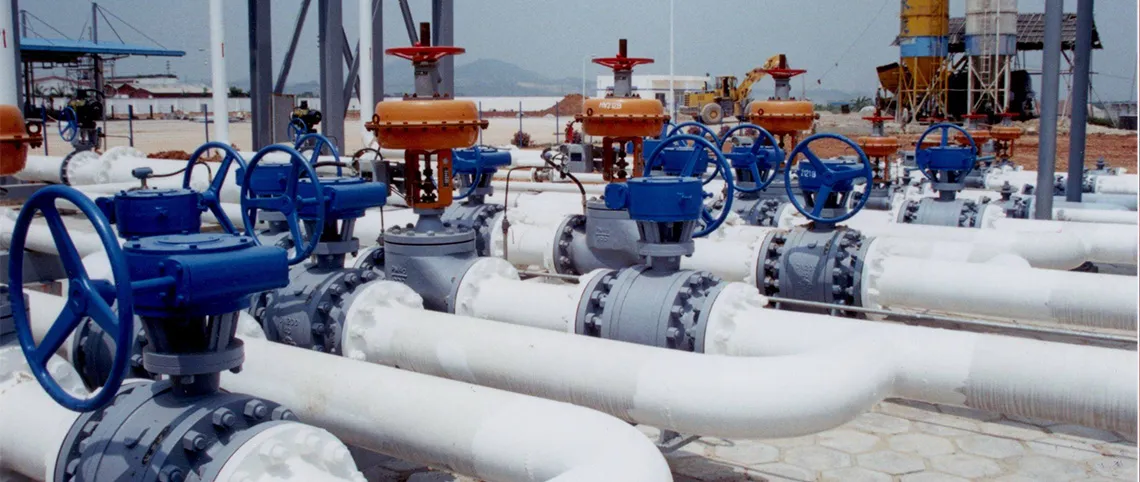
In an era where environmental consciousness is at an all - time high, the concept of recycling and sustainability extends to every aspect of our lives, including industrial and household components. Metal valves , crucial for controlling water flow and pressure, especially the main valve water in homes and industries, have a significant role to play in the sustainability narrative. This soft article delves into the importance of metal valve recycling and how it contributes to a more sustainable future, exploring its various aspects through specific sub - headings. The Environmental Impact of Metal Valve Disposal When metal valves reach the end of their useful life, improper disposal can have severe environmental consequences. Many valves , especially those made from metals like steel, iron, and brass, if discarded in landfills, can leach harmful substances into the soil and groundwater over time. The main valve water , being a critical component in water supply systems, when its associated metal valves are not disposed of correctly, can pose risks to the very water sources they once protected. Recycling metal valves helps to mitigate these environmental hazards by reducing the amount of waste in landfills and preventing potential pollution. The Process of Metal Valve Recycling Recycling metal valves is a complex yet essential process. First, the used valves , including those related to main valve water systems, are collected from various sources, such as construction sites, industrial facilities, and residential areas. These metal valves are then sorted based on their metal composition. Different metals require different recycling processes. For instance, ferrous metals are separated using magnetic separation techniques, while non - ferrous metals like copper and brass are processed through smelting and refining. The recycled metal can then be used to manufacture new valves or other metal products, reducing the demand for virgin metals and conserving natural resources. Metal Valve Recycling and Sustainable Manufacturing The integration of recycled metal valves into the manufacturing process is a key step towards sustainable production. By using recycled metals, manufacturers can significantly reduce their energy consumption and carbon footprint. Compared to extracting and processing virgin metals, recycling metal valves requires less energy, which in turn decreases greenhouse gas emissions. For main valve water systems, using recycled metal valves not only promotes environmental sustainability but also ensures a more cost - effective and reliable supply of these crucial components. F AQ s about Metal Valve Recycling and Sustainability What are the primary advantages of choosing Metal Valve Recycling? Recycling metal valves offers multiple benefits. Firstly, it helps in conserving natural resources by reducing the need for virgin metal extraction. This, in turn, preserves the environment and ecosystems that are affected by mining activities. Secondly, it significantly reduces energy consumption, leading to a decrease in greenhouse gas emissions. For those concerned about the main valve water systems in their homes or industries, using recycled metal valves ensures a more sustainable and eco - friendly solution without compromising on quality. How does Metal Valve Recycling contribute to the sustainability of Main Valve Water systems? Metal valve recycling is integral to the sustainability of main valve water systems. By using recycled metal valves in these systems, we reduce the environmental impact associated with the production of new valves. Additionally, recycled metal valves are often as durable and reliable as new ones, ensuring the long - term functionality of main valve water systems. This means less frequent replacements and repairs, further contributing to sustainability by reducing waste generation. Are recycled Metal Valves as reliable as new ones for Valve applications? Yes, recycled metal valves are highly reliable for various valve applications. The recycling process thoroughly cleans and refines the metal, removing any impurities or defects. As a result, the recycled metal valves can meet the same quality and performance standards as new valves. Whether it's for a simple household valve or a complex main valve water system in an industrial setting, recycled metal valves offer consistent and dependable performance. How can I contribute to Metal Valve Recycling? You can contribute to metal valve recycling in several ways. When replacing valves in your home or business, especially those related to main valve water systems, ensure that the old metal valves are properly recycled. You can contact local recycling centers or waste management services that specialize in metal recycling. Additionally, if you're involved in construction or industrial projects, encourage your contractors and suppliers to adopt sustainable practices, including the recycling of metal valves . What long - term benefits can I expect from using recycled Metal Valves in my Valve systems? Using recycled metal valves in your valve systems offers long - term benefits both for you and the environment. In terms of cost - savings, recycled metal valves are often more affordable than new ones. From an environmental perspective, you're actively participating in reducing waste and conserving resources. For main valve water systems, the reliability of recycled metal valves means fewer disruptions and lower maintenance costs over time, making it a smart and sustainable choice.
-

High quality industrial productsagement

High quality industrial products
View Details -

Meet the diverse needs of customers

Meet the diverse needs of customers
View Details -

Strict quality control

Strict quality control
View Details -

Top raw materials

Top raw materials
View Details -

Trusted supplier

Trusted supplier
View Details
Our application
news and information
Water gate valve price
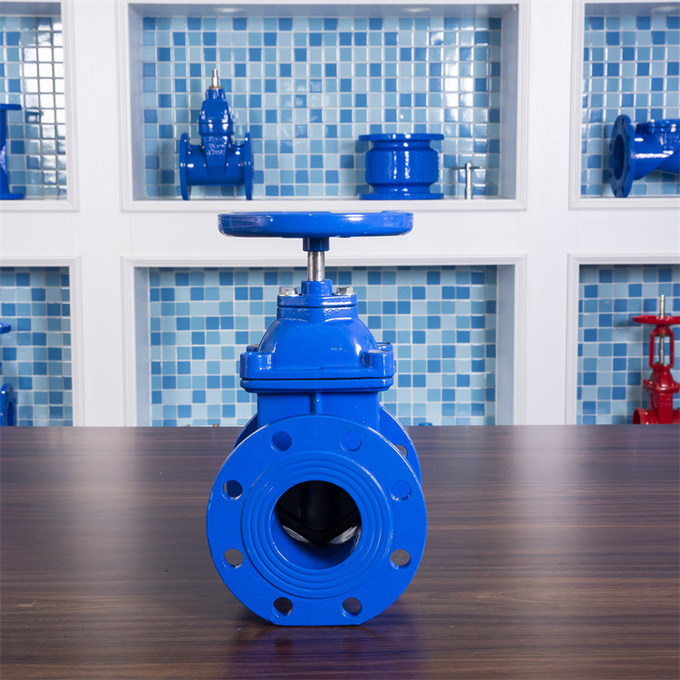
In the complex landscape of water management and distribution systems, the water gate valve holds a
Versatile Adjustable Thread Ring Gauge for Precision Measurement and Quality Control in Manufacturin
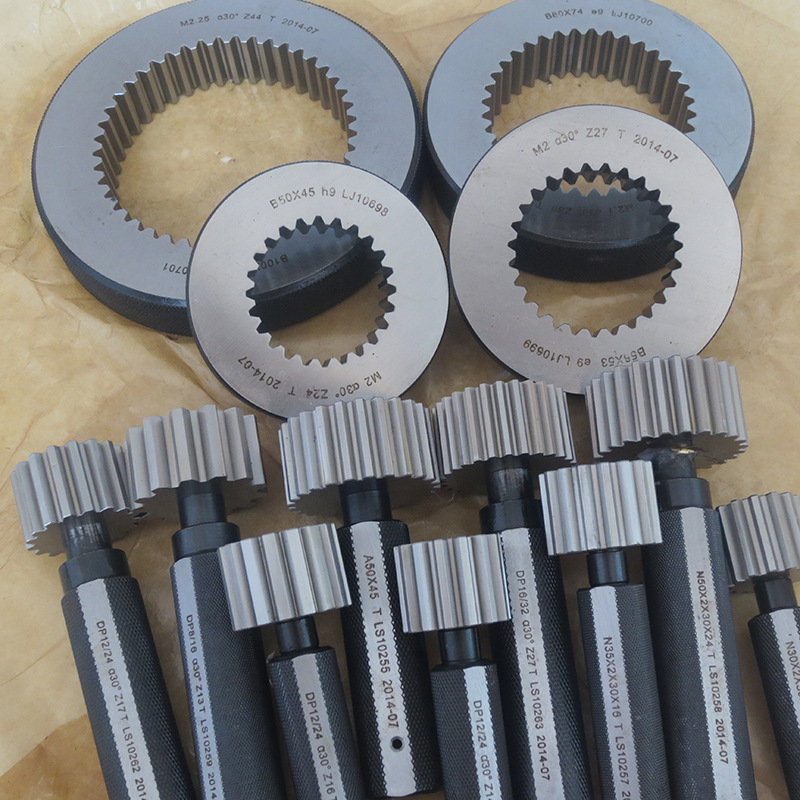
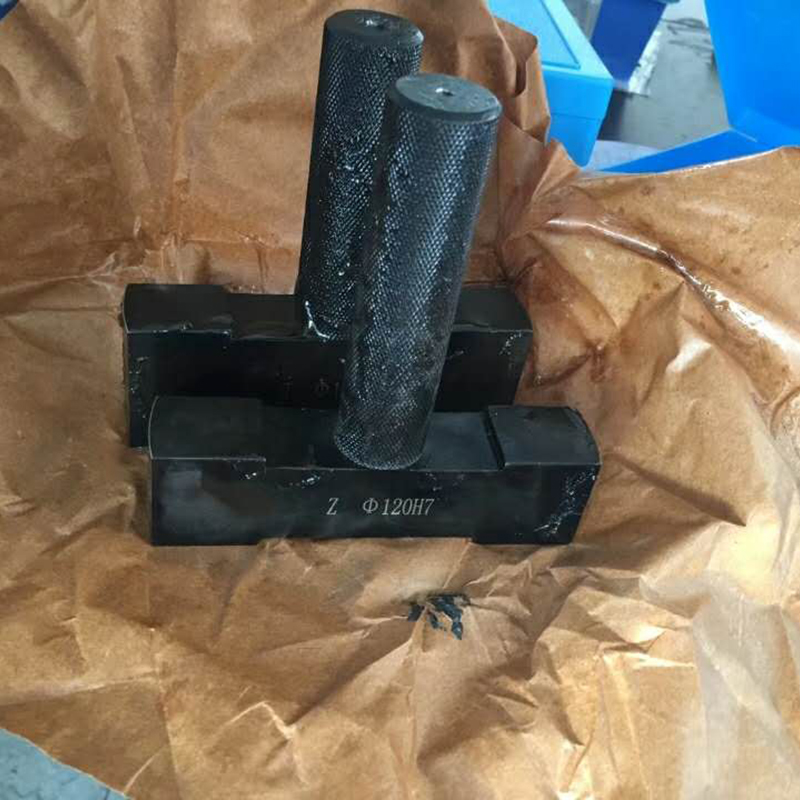
Understanding Adjustable Thread Ring Gauges In the world of precision engineering and manufacturing,
v block v block
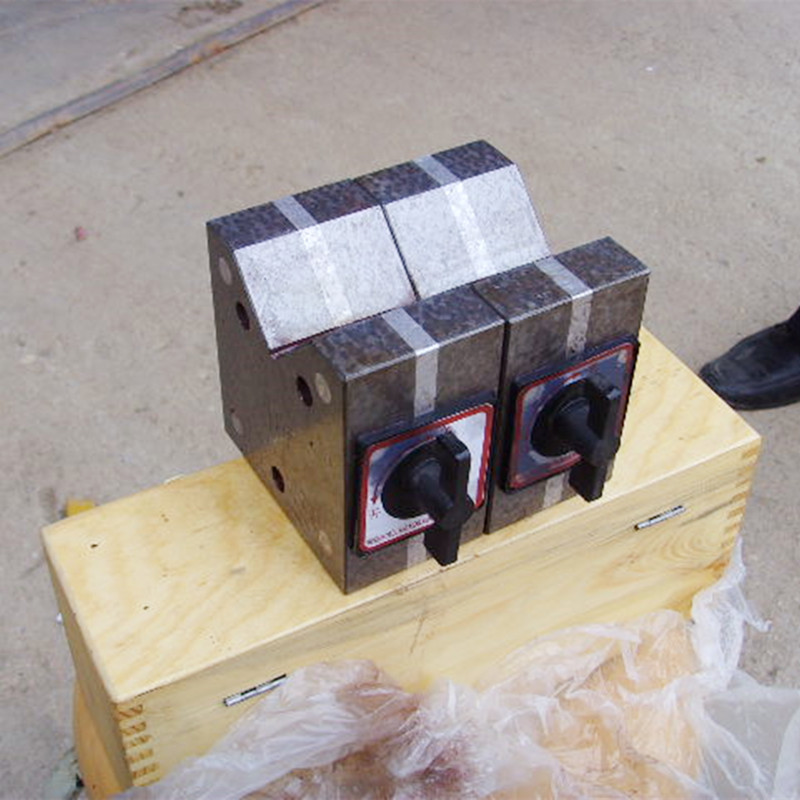
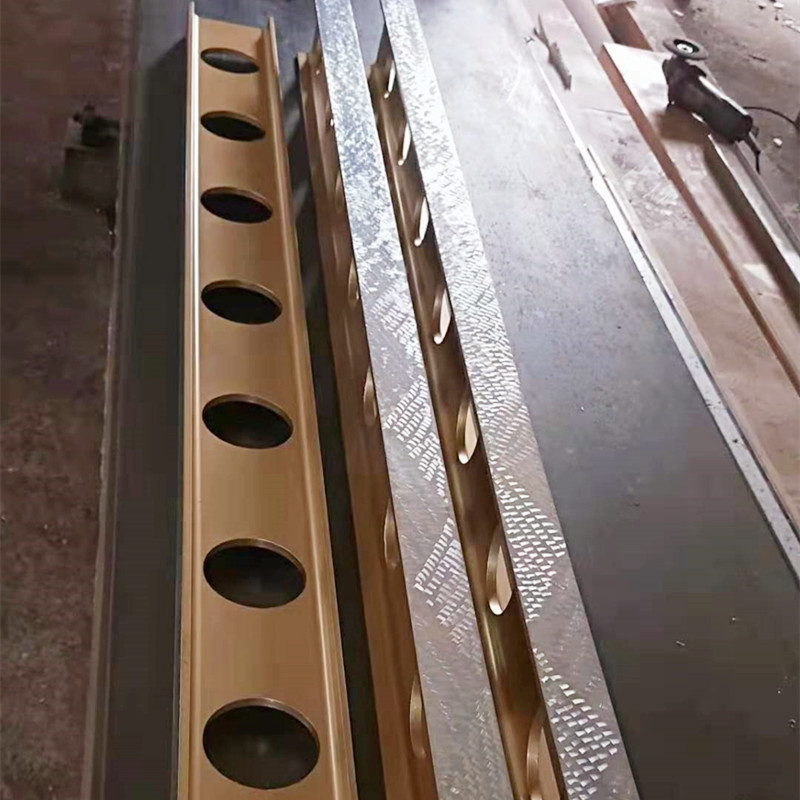
Understanding V Block A Fundamental Tool in Manufacturing and Engineering In the world of manufactur
 English